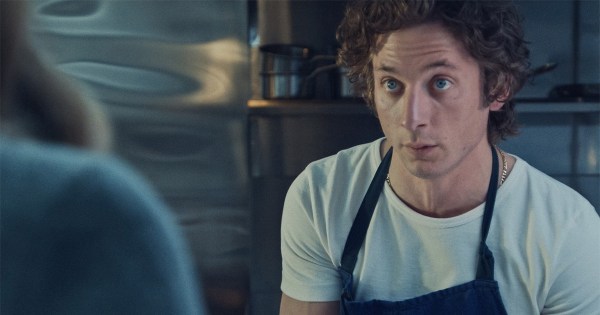
There is a particular kind of anxiety that defines modern television, but perhaps none is quite as sensory—or as lucrative—as the chaotic, high-pressure kitchen of FX’s The Bear. From its frantic dialogue to its lingering close-ups of perfectly prepared dishes, the show doesn’t just invite viewers in; it grabs them by the collar. And as it turns out, audiences aren’t the only ones who found themselves hooked from the very first course.
For advertisers, the show has become something of a holy grail. According to John Campbell, Senior Vice President of Entertainment and Streaming Solutions at Disney Advertising, the series has consistently sold out its sponsorships season after season, driving revenue growth with every new installment. But the real story isn’t just about the money flowing into Disney’s coffers; it is about a fundamental shift in how brands interact with television in the streaming era.
Historically, the relationship between brand and broadcast was governed by caution. ‘Previously, for our freshman shows or our first year shows, brands would take a wait-and-see approach,’ Campbell observes. It was a logical, if uninspired, strategy. Why risk capital on an unproven quantity when you can wait for the ratings to solidify? In the old world, television was an exercise in risk mitigation.
But in a fragmented cultural landscape, waiting is a luxury brands can no longer afford. When a show like The Bear captures the collective imagination, it does so instantly, sparking memes, culinary trends, and a level of cultural conversation that cannot be manufactured. By the time a ‘wait-and-see’ brand decides to buy in for a subsequent season, the magic of discovery has already passed. The audience has moved from obsession to familiarity.
This shift speaks to a deeper truth about modern marketing: we are moving away from purely transactional media buying toward a model based on cultural alignment. Brands no longer want to just run ads during a commercial break; they want to be seen as patrons of the culture that people actually care about. They want a seat at the table when the conversation is at its hottest.
What The Bear has proven is that premium storytelling remains the ultimate driver of commerce. In an era where audiences are increasingly adept at tuning out traditional advertising, the solution isn’t to yell louder. It is to partner with stories that are too compelling to ignore. For Disney and FX, the success of the show is a template for the future—one where the line between content and commercial appeal is not just blurred, but beautifully plated.